September 25, 2026
Jordan Brady, Founder
If you’ve been following along since my Japan ski trip earlier this year, this is the blog post I’ve been building toward. Consider it a reference guide — everything I wish every client knew before they started planning this trip. Bookmark it. Send the link to someone who keeps saying they want to go. But here’s what actually matters.
Best Time To Go — And When To Avoid It
Sweet spot: Late January through the first half of February (although this varies year to year depending on when the Chinese New Year falls). “Japanuary” has been heavily marketed, coupled with Aussie holidays falling during the month of January, which brings the crowds the entire month. In reality, the peak powder season is January and most of February. So, with date flexibility, we always try to thread the needle and avoid Chinese New Year and the peak January crowds.
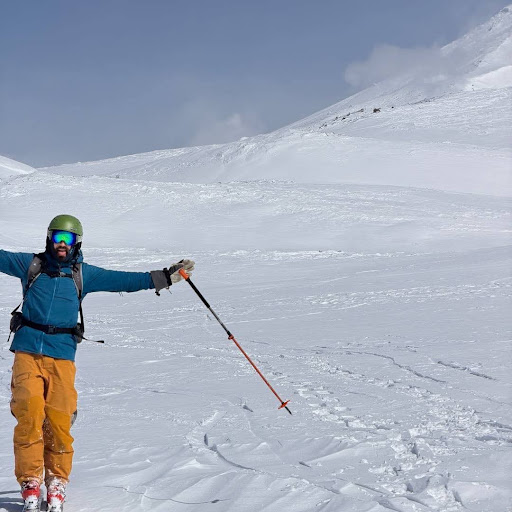
Peak season: The Festive Season (Christmas and New Year’s) always brings crowds to the ski resorts in Japan, and it trickles through much of January. Prices are high, availability goes quickly (oftentimes to repeat guests from the prior Festive Season), and luxury hotels have minimum night stay requirements. Dining reservations are harder, the mountain is more crowded, private drivers get booked up, and it becomes even more important to have a guide to help avoid the crowds and still find those epic pow stashes.
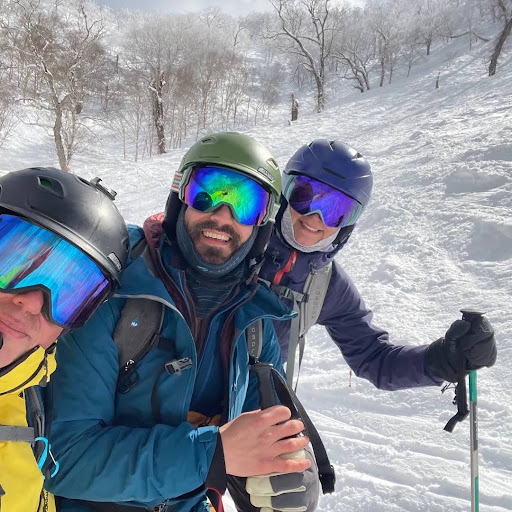
Off-season: Late February into the first half of March. Quieter, cheaper, less pressure on everything (accommodation availability, restaurant reservations, guides, drivers, etc.), and still a chance of skiing in epic conditions. Plus, you’re pushing closer towards spring weather (and, ahem, plum and cherry blossom season) in places like Tokyo and Kyoto. So, for your time exploring the country off the mountain, temperatures are more comfortable.
How Long To Stay And How To Structure It
Minimum 9-10 nights to do this properly. Less than that and you’ll spend so much time on logistics that the trip doesn’t breathe.
- 4-5 nights in your ski destination. We recommend picking a Hokkaido or Honshu base to keep logistics under control, unless you have more time. Then, we can get creative 🙂
- 1-2 nights in a high-end ryokan to slow down the pace, hit the onsen for recovery and relaxation, and enjoy a traditional kaiseki-style meal.
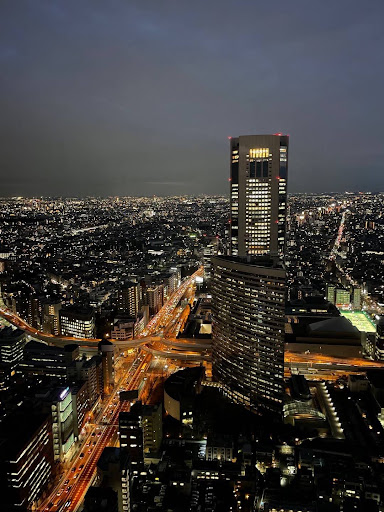
- 2-3 nights in Tokyo to get your dose of big city, culture, bright neon lights, and endless incredible food. If you have more time, there is so much more to explore.
- [BONUS] 2-3 nights in Kyoto to dive into the more historic, peaceful, and traditional atmosphere of the “Ancient City”.
When you fly to Japan, head straight to the mountains. Most people think to stop in Tokyo on the way in, but who wants to fight jet lag in the busiest city in the world? It is much more natural to get all of your travel out of the way, adjust in the mountains, and hit Tokyo at the end of the trip.
Don’t try to do too much. You’ll turn the trip into a logistical marathon and box-checking nightmare.
Budget Range (And Where It Goes)
For a well-planned luxury ski trip to Japan, budget a minimum of around $15K USD per week on a two-person sharing basis – accommodations with breakfast daily, private ski guides, ski rentals, lift tickets, private tour guides/experiences in non-ski destinations, and all transportation logistics in Japan (trains, planes, and private transfers as necessary).
- Luxury accommodations represent a significant portion of the budget, giving you a comfortable and well-located retreat after a hard day on the hill or exploring the city. More spacious rooms, better service, onsite onsen/spa, higher-quality F&B options, and just overall a better experience.
- Private guides and transfers are worth the premium; group tours generally aren’t.
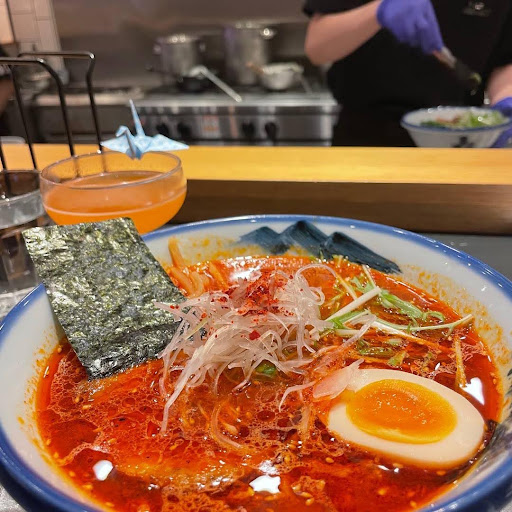
- You don’t have to dine at the top (and most expensive) Michelin star restaurants to get a good meal in Japan. Hit 1-2 nicer restaurants, but balance it out with more casual and still amazing spots for the rest of the trip (izakaya, ramen, hot pot, teppanyaki, sushi, food markets, food trucks, convenience stores, the list goes on).
What DIY Travelers Get Wrong
They underestimate the logistics, overestimate how much they can see, and don’t realize what it takes in the background to make it all go off seamlessly. They book a ski guide with a random operator because they think it won’t make a difference, and end up with a teenager from Australia who has minimal experience in the destination they are staying. They rent a car thinking it will give them freedom and spend half of the trip lost and figuring out how to get back on track. They use Google to check restaurant reviews rather than Tabelog, which the locals use and tends to be far more accurate.
Japan rewards well-paced travel and good planning. It punishes people who treat it like a box-checking extravaganza.
Dates And Timing Worth Knowing
- Chinese New Year (changes every year, but is always between January 21st and February 20th): Attracts big-time crowds to the ski destinations, which results in higher prices and less availability. Plan early or avoid it.
- New Year’s (and immediately surrounding dates): A very important holiday for the Japanese. Many sights, museums, and restaurants are closed over these dates, so plan to be in the mountains and not in the big cities.
- Early / Mid February: If you can thread the needle after the January crowds leave and avoid Chinese New Year and Presidents Week, you will be well positioned to nail some epic powder and avoid the masses.
Japan as a ski destination has more variables than most ski destinations when it comes to timing. For those with wide-open schedule flexibility, there is a lot you can do to get it right. If you are stuck to the school calendar, there is still a lot you can do to navigate the cards you’ve been dealt and make the best of what might not be the most ideal time to go.
Get all of this right, and it’s one of the best trips you’ll ever take. Get any of this wrong, and you’d come home wishing you’d planned it differently.
Ready to Start Planning Your Japan Ski Trip?
Get in touch with team@thejourneybound.com to start the conversation and begin planning your Japan adventure.